Understanding Void Fill Solutions
What Is Void Fill?
Void fill refers to materials used to occupy empty space in shipping cartons, preventing items from shifting and absorbing shock during transit. Ranpak defines void fill as “paper filler material used to close up the free space in your shipping box and lock products in place”. Without proper void fill, packages may arrive damaged, increasing returns, waste and customer dissatisfaction.
Air Cushion Void Fill
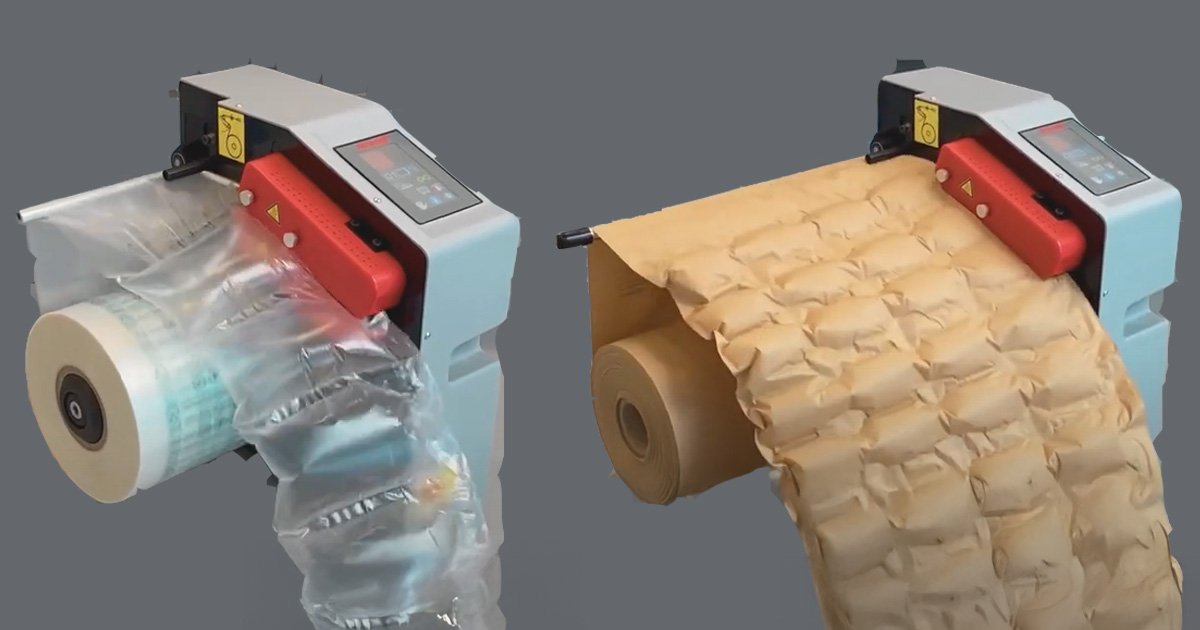
Air cushion systems use small, inflatable plastic bags made from polyethylene (PE) or similar films. Machines inflate rolls of film on demand, producing pillows that are sealed and perforated for easy separation. The cushions are extremely lightweight; a large volume of packaging contains mostly air, dramatically reducing shipping weight. Air cushions are commonly used for electronics, cosmetics and consumer goods. Modern systems allow operators to select different sizes and fill levels to match product requirements.
Key features of air cushion packaging:
- Light weight and space efficiency: Inflatable cushions reduce package weight, lowering shipping costs and fuel consumption. Rolls of film take up little storage space before inflation.
- On‑demand production: Machines like the FROMM AP1000 produce void fill, bubble‑on‑demand and air cushions in one compact unit. It has an adjustable air‑fill setting and patented sealing technology. On‑demand production eliminates the need to store bulky pre‑filled materials and ensures the right amount of padding is produced for each package.
- Flexibility: Air pillows come in various sizes and film blends to fit different packaging needs.
- Durability and shock absorption: Inflatable cushions provide superior shock protection for delicate and lightweight items.
- Recyclability: Many air pillows use high‑density polyethylene (HDPE) or other recyclable plastics; some include recycled content.
Paper Void Fill
Paper void fill systems use rolls of kraft or recycled paper that are crumpled or folded into pads. Machines compress and output the paper to create cushioning or blocking inside the box. Paper void fill is versatile and can be moulded around different shapes. Paper is made from renewable resources and is compostable or recyclable.
Key features of paper void fill:
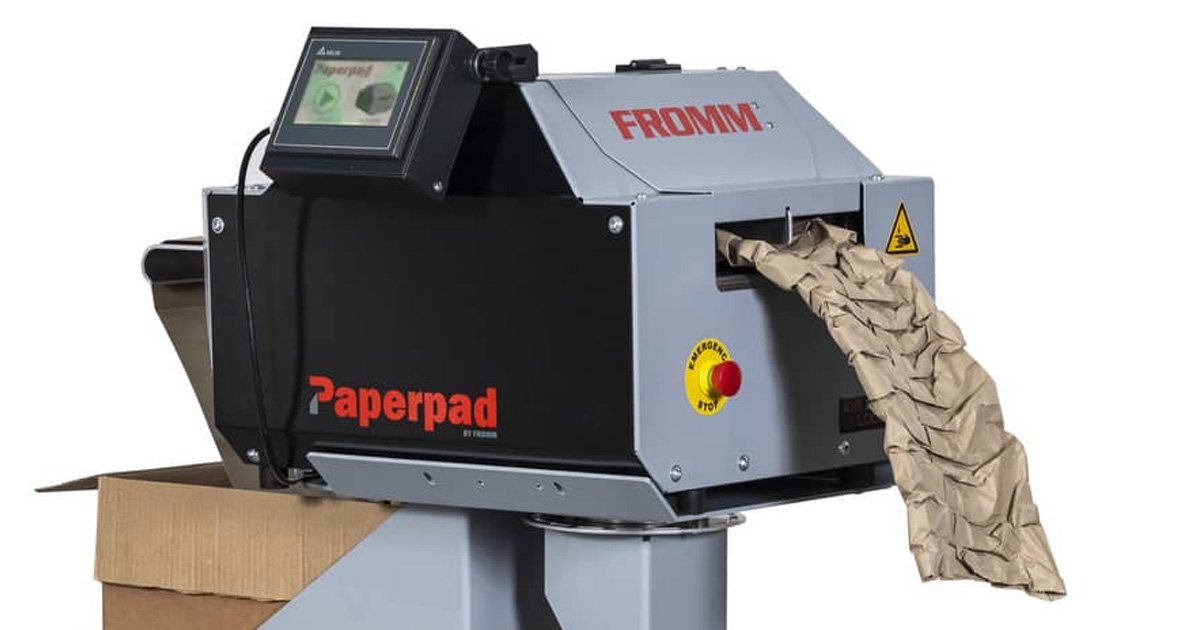
- Renewable and recyclable: Paper comes from natural fibres and is easily recyclable or compostable. Both FROMM PC1000 and PC100 PaperPad machines uses 100 % recycled FSC‑certified paper, providing a sustainable alternative to plastic.
- Adjustable cushioning: The PaperPad machine has adjustable compression settings and five production modes (including automatic and on‑demand) for customized protection.
- Quiet operation: The PC1000 operates silently, making it suitable for close‑proximity work environments.
- Shock absorption: Paper pads can absorb shocks and vibrations effectively, locking products in place.
- No equipment needed (basic forms): For small operations, hand‑crumpled paper offers a low‑cost solution without machines.
Why Void Fill Matters
Product damage during transit is expensive. In addition to the direct cost of replacements, damaged goods can erode customer trust and increase carbon emissions due to returns and re‑shipping. Sustainable void fill reduces packaging waste and supports Canada’s move toward a circular economy. Choosing the right void fill helps procurement managers balance cost, protection and environmental goals.
Bonus: Discover How Switching to Fromm Airpad Cushions Reduced Electronics Shipping Damage by 25%
Benefits and Limitations of Air Cushion Packaging
Lightweight, Cost‑Efficient Logistics
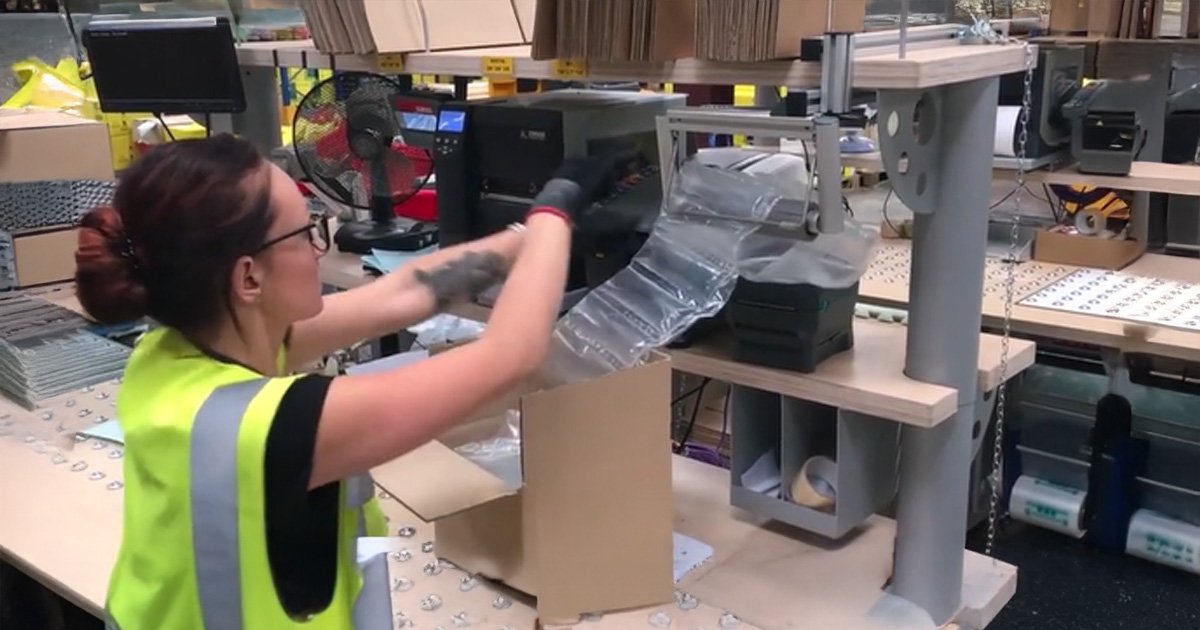
Air cushion packaging is largely filled with air, dramatically reducing the weight of each package. This can lower shipping costs and carbon emissions. CS Packaging notes that air pillows are a light‑weight void fill option that helps keep shipping costs down. Because the film is flat before inflation, it takes little storage space, important for procurement managers optimizing warehouse operations.
High Protection and Clean Presentation
Inflatable cushions offer superior shock absorption and protect delicate items from impact. They also provide a cleaner packaging experience: customers do not experience messy explosions of packing peanuts, and shipping areas remain tidy. Air cushions prevent fillers from sticking to products, enhancing unboxing satisfaction.
Sustainability Considerations
Air cushions are typically made from polyethylene (PE) or HDPE films. Some manufacturers offer cushions with recycled content or biodegradable additives. The FROMM AP1000 machine supports recycled PE, biodegradable film and even paper‑based cushions, giving users a choice of materials. When using recyclable films, ensure you can collect and recycle the cushions after use; otherwise, they may contribute to plastic waste.
Limitations
- Plastic use: Even when recyclable, plastic cushions rely on fossil‑based polymers. Recycling rates for plastics remain low: Canada recycled only 9 % of its plastic waste in 2019.
- Equipment cost: Air cushion machines require an initial investment. However, the cost can be offset by savings in shipping and storage.
- Perceived sustainability: Some customers may perceive plastic packaging as less eco‑friendly, even if cushions are recyclable or reused.
Benefits and Limitations of Paper Void Fill
Sustainability and Consumer Appeal
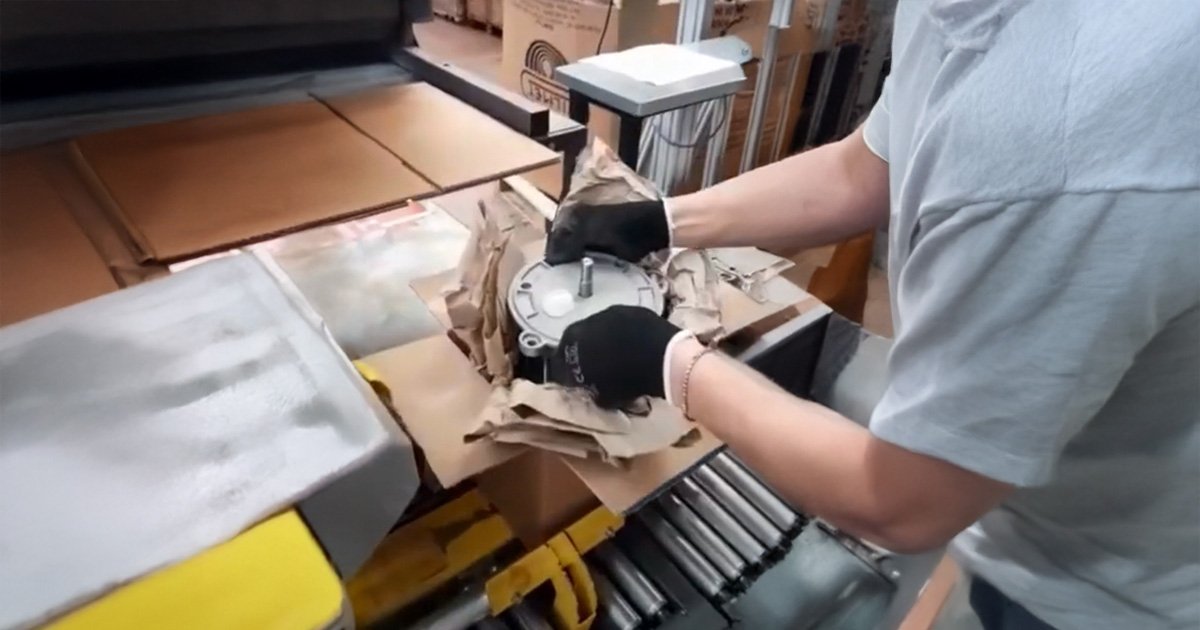
Paper is derived from renewable resources and is widely recyclable. The PC1000 PaperPad machine uses 100 % recycled, FSC‑certified paper, aligning with corporate sustainability goals. Consumers increasingly favour brands that use eco‑friendly packaging; sustainable void fill can enhance brand image and customer loyalty.
Robust Protection and Versatility
Paper cushions offer excellent shock absorption. Ranpak notes that paper filler locks products in place and absorbs shocks. Because paper is mouldable, it can be shaped to fill irregular spaces and provide blocking, bracing and wrapping. The PaperPad PC1000 allows adjustable compression and multiple production modes, enabling precise cushioning for fragile items like glassware, electronics and machinery.
Operational Efficiency
With machines like the PC1000 producing up to 40 m/min of cushioning, paper systems can support high‑volume operations. Paper pads are silent, reducing noise in the packaging area. The PC1000 can integrate with IIoT connectivity for predictive maintenance, ensuring reliability.
Limitations
- Weight and bulk: Paper void fill is heavier than air cushions, which can increase shipping costs.
- Material use: Producing paper requires energy and water, and the kraft process can contribute to deforestation if not managed responsibly. However, recycled paper reduces this impact.
- Storage space: Large rolls of paper may require more warehouse space than uninflated film.
Comparative Analysis: Air Cushion vs Paper Void Fill
Environmental Impact
Canada’s Zero Plastic Waste Agenda aims to avoid plastic packaging, reduce excessive packaging and replace problematic plastics. Air cushions use less material than many alternatives but still rely on plastic. Paper pads are renewable and biodegradable, and the PC1000 uses recycled FSC‑certified paper. Yet paper production has its own environmental footprint (energy, water, and potential deforestation). Procurement managers should consider end‑of‑life scenarios: Can customers recycle cushions easily? Do they have access to composting facilities for paper?
Cost and Logistics
Air cushions are lighter, leading to lower shipping costs. They also take up less storage space and can be produced on demand, which reduces warehouse inventory and labour. Paper pads are heavier and bulkier but may offer savings in material cost if produced in‑house. Equipment costs for both systems should be compared: the AP1000 provides air cushions, bubble wrap and on‑demand void fill in one machine, while the PC1000 is dedicated to paper cushioning.
Protection and Customer Experience
Both solutions provide effective shock absorption. Air cushions excel at protecting lightweight, fragile items and offer a cleaner unboxing experience. Paper void fill provides a more organic look and feel that some customers may associate with sustainability; it also avoids issues with static electricity or plastic clinging to products. However, paper may produce dust or debris if not properly handled.
Efficiency and Flexibility
Air cushion systems like the AP1000 allow users to adjust air‑fill settings and produce different types of cushioning (void fill, bubble on demand, air cushions). They integrate easily into automated packing lines and support high‑speed operations. Paper systems such as the PC1000 also support automatic or manual modes and can adjust compression for different padding thicknesses. For warehouses with limited space or high throughput, the compact footprint and lightweight design of the AP1000 (weighing only 11.5 kg) may be advantageous.
Air Cushion vs Paper Void Fill Summary Table
Below is a concise comparison of air cushion and paper void fill across key criteria.
| Criteria | Air Cushion | Paper Void Fill |
| Material & Sustainability | Made from PE/HDPE; recyclable; some options include recycled or biodegradable content | Made from recycled, FSC‑certified paper; renewable and biodegradable |
| Weight & Logistics | Ultra‑lightweight; reduces shipping costs and storage space | Heavier; may increase shipping costs and require more storage |
| Production & Flexibility | On‑demand production; adjustable air‑fill settings; multiple cushion sizes | Adjustable compression and modes; multiple pad lengths and paper weights |
| Protection & Applications | Superior shock absorption for lightweight, fragile items; clean unboxing | Effective shock absorption; moulds around irregular shapes; natural look |
| Environmental Impact | Relies on plastic; recycling infrastructure needed; uses less material per package | Renewable and compostable; higher material mass; paper production has environmental footprint |
| Ideal Use Cases | Electronics, cosmetics, high‑volume fulfillment | Fragile items, glassware, eco‑conscious brands |
FROMM Solutions: Air Cushions and Paper Pads
FROMM Airpad AP1000
The AP1000 is a fourth‑generation void fill machine that produces air cushions, bubble‑on‑demand and void fill in one compact unit. It features adjustable air‑fill settings, patented sealing technology and an intuitive touchscreen. Benefits include reduced packaging costs, elimination of excess storage, improved efficiency and enhanced sustainability. The AP1000 weighs just 11.5 kg and operates at 20 m/min, making it ideal for decentralized packing stations.