Case Study: Transforming Warehouse Logistics & Sustainability with FROMM Solutions
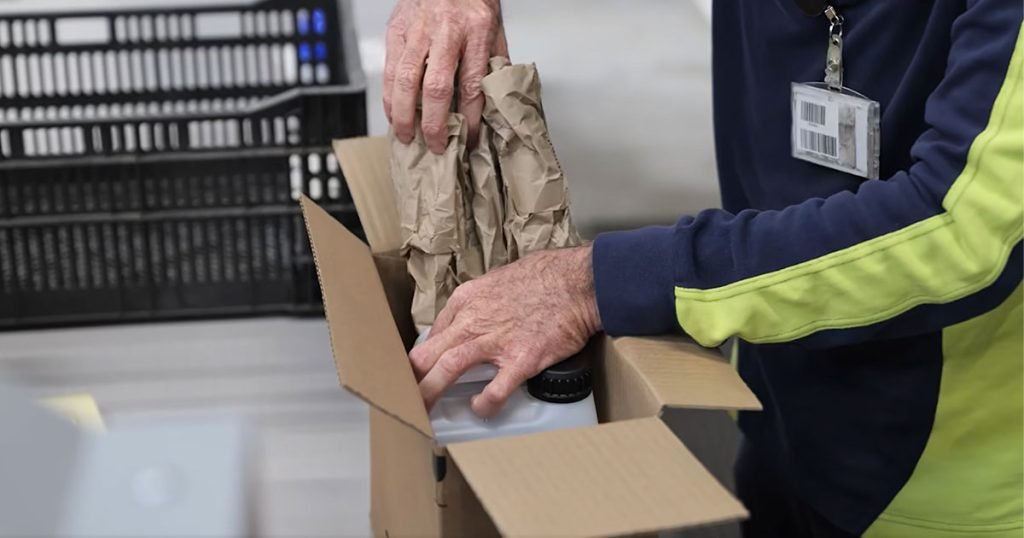
In the fast-paced world of logistics, finding packaging solutions that are both efficient and environmentally friendly is a top priority. A recent demonstration by Andre koolen, a seasoned warehouse worker at Geodis Logistics, highlights how implementing advanced tools from FROMM can significantly enhance productivity and safety on the warehouse floor
Introduction
The logistics sector currently faces a dual challenge: increasing throughput speed while simultaneously reducing environmental impact. High-volume logistics providers, such as Geodis, require packaging solutions that align with rigorous operational demands and sustainability goals. This case study examines the integration of the FROMM Paperpad PC1000 machine into a high-velocity fulfillment environment.
It analyzes how automated paper void fill systems replace manual processes to optimize packing stations. By leveraging advanced paper crumpling technology, logistics operations can achieve significant improvements in protective packaging efficiency. The focus remains on the technical application of the paperpad system and its measurable impact on packaging workflows, material usage, and operator ergonomics within the Canadian logistics landscape.
Company Overview: GEODIS in the Canadian Logistics Landscape
GEODIS stands as a significant entity in the global transport and logistics sector, requiring robust supply chain solutions to manage extensive throughput. Worldwide, the network spans 166 countries with nearly 53,000 employees and over 1,000 sites. This infrastructure demands packaging equipment capable of sustaining high-frequency operations without downtime. The selection of packaging machinery must align with global standards ensuring consistency across all fulfillment nodes.
Key operational requirements for leaders in this sector include:
- High-velocity throughput to meet same-day shipping cut-offs.
- Scalable processes that handle peak season surges.
- Sustainable practices to meet corporate social responsibility (CSR) targets.
Geodis operates within a highly competitive market where order fulfillment speed determines customer satisfaction. As e-commerce volumes expand across the country, third-party logistics (3PL) providers must manage fluctuating demand without compromising package integrity. The operational environment requires equipment that is both robust and adaptable to various box sizes.
"The decision to standardize our packaging equipment company-wide, and the results speak for themselves: fewer damaged goods, happier customers, and a noticeable reduction in costly returns."
Andrew Koolen
Packaging Pain Points in High-Volume Logistics
Prior to automation, many logistics centers rely on manual void fill methods or inefficient mechanical systems. These legacy processes often create bottlenecks at the end-of-line packing stations. Manual crumpling of paper is labor-intensive and results in inconsistent void fill quality, leading to potential product damage during transport.
Common operational challenges include:
- Inconsistent material usage: Operators may use too much or too little material, inflating costs.
- Ergonomic strain: Repetitive manual tearing and crumpling contribute to worker fatigue.
- Space constraints: Bulky storage of loose-fill peanuts or bubble rolls consumes valuable warehouse floor space.
- Throughput limitations: Manual packing cannot keep pace with high-speed sorting systems.
Addressing these inefficiencies requires a shift toward “stand-alone” automated solutions like the PC1000.
The Challenge: Sustainability and Cost-Efficiency
Modern companies are increasingly looking for ways to enhance their green initiatives and move away from single-use plastics.Beyond environmental concerns, there is a growing trend toward “box downsizing” to optimize shipping efficiency. The goal is to find a solution that not only reduces waste but also leads to tangible savings on freight costs
The Solution: The FROMM Paperpad PC1000
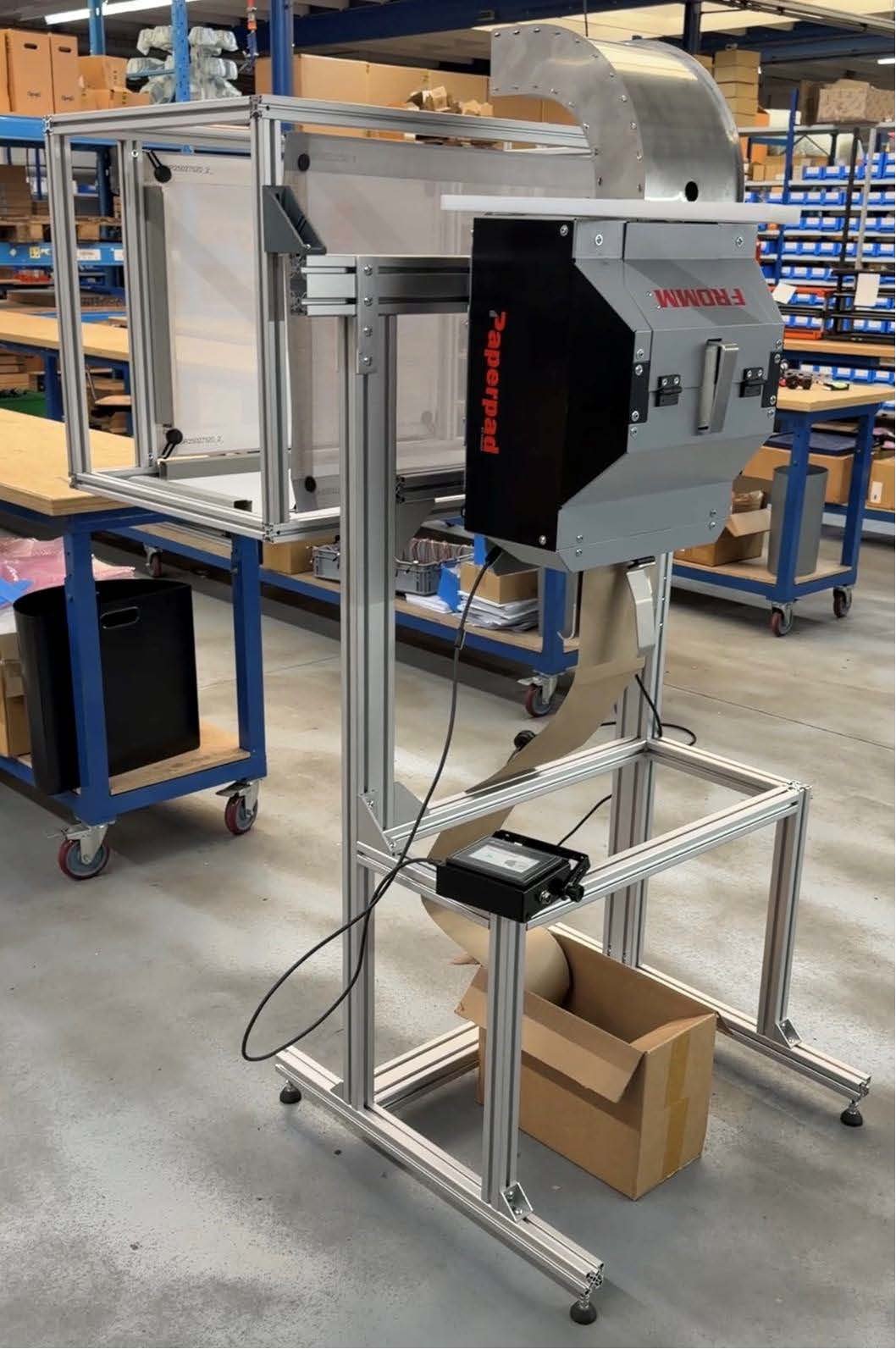
To meet these challenges, Geodotus utilizes the FROMM PC-1000 paper pad machine.
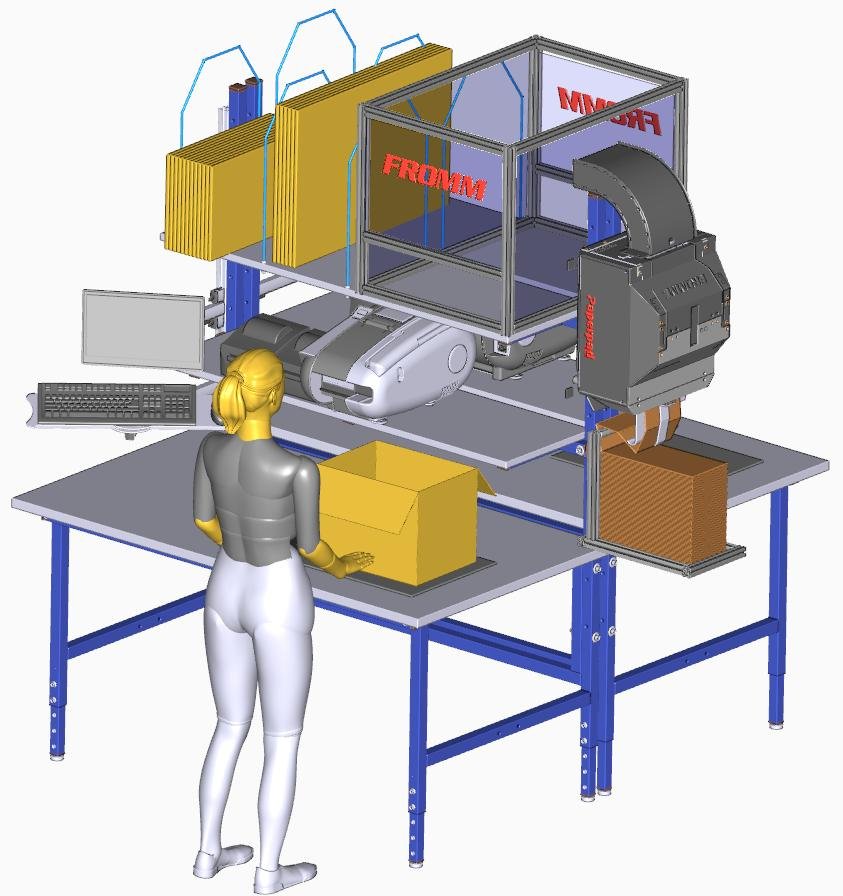
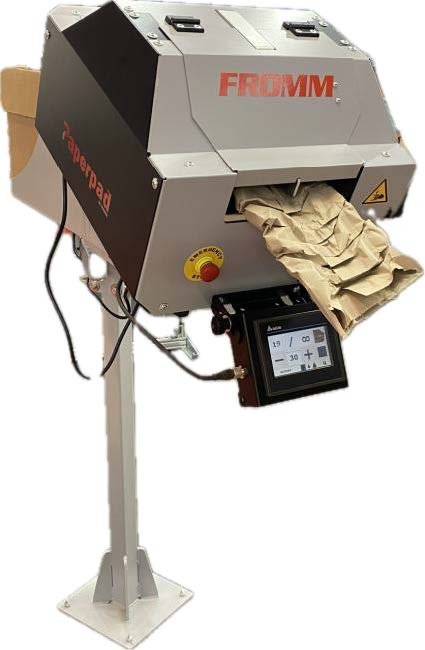
This device is designed to simplify packaging workflows while providing robust protection for goods. The Paperpad PC1000 Stand Alone is a high-speed paper pack station designed to convert recyclable paper into high-volume crumpled void fill. Engineered by FROMM, a family-owned company headquartered in Switzerland, this system emphasizes “end-of-line expertise” and reliability. The machine features a compact footprint making it suitable for integration into crowded packing lines without requiring extensive reconfiguration
Key features of the machine include:s
How the PaperPad Works in Real-World Applications
The functional mechanics of the Paperpad Void filling machine rely on a high-friction feeding mechanism that draws flat paper from a pack and compresses it through a forming channel. This process changes the physical properties of the paper, increasing its volume and rigidity to serve as an effective shock absorber.
Implementation: From Setup to Full Integration
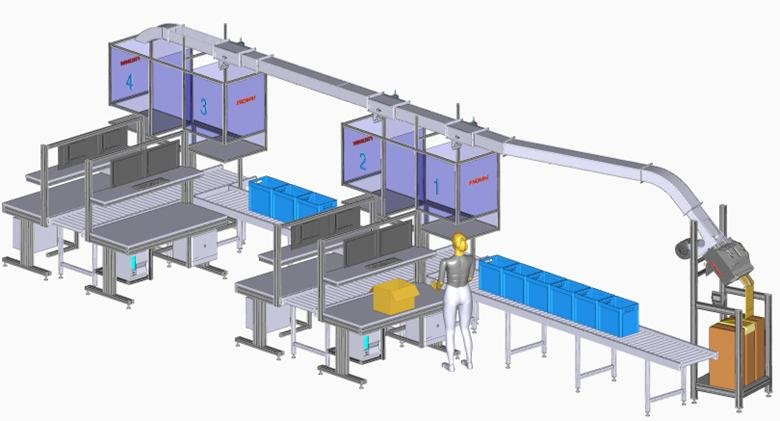
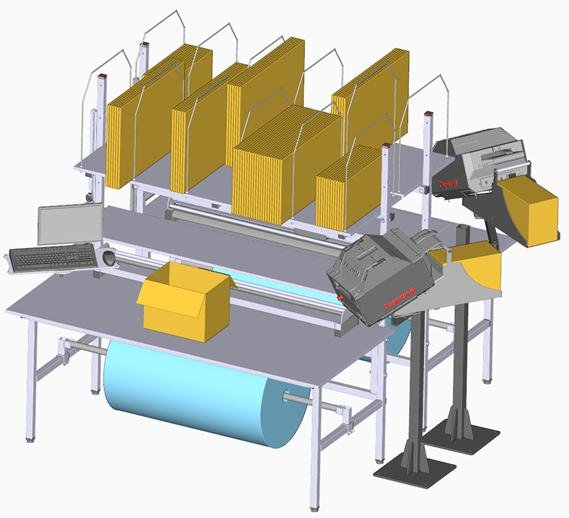
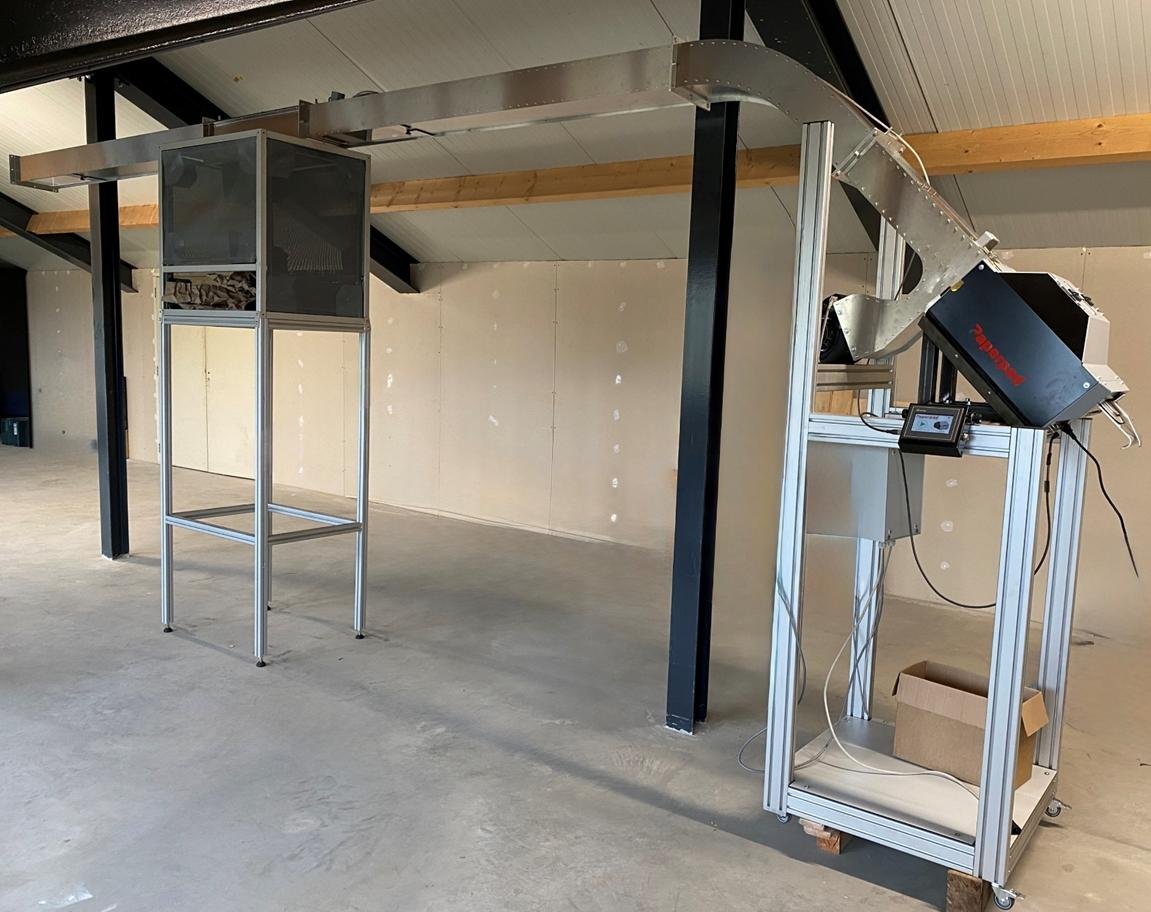
The deployment of the PC1000 units followed a structured installation protocol to minimize disruption to active fulfillment lines. Due to the unit’s compact dimensions, the machines were installed directly onto existing packing tables.
Integrating with Existing Automation Lines
For advanced efficiency, the PC100 supports integration with the SmartFill Scanner. In this configuration, the scanner detects the box volume and communicates with the void fill machine to dispense the exact length of void fill required.
Data Flow: The IIoT-Gateway™ connects the machine to the cloud, transmitting data on usage, wear levels, and operational parameters.
Optimization: Real-time visualization allows management to analyze consumable usage and optimize uptime.
The Results
By leveraging the FROMM PC-1000, warehouse operations can effectively secure and brace packages while simultaneously eliminating plastic waste. This case study serves as a fantastic example for companies looking to modernize their logistics, proving that sustainability and high-performance packaging can go hand in hand.