The Hidden Cost of Shipping Damage
Imagine sending a pallet of fragile components across Canada only to discover that the recipient rejects it because the contents are broken. The cost of replacing a damaged product can be 17 times higher than the original shipping cost, and over half of customers will not buy again from a company that delivers damaged goods. In Canada, e-commerce return rates are estimated between 20% and 30%, and cases of return fraud increased by 22% between 2020 and 2022, according to the Retail Council of Canada. For logistics and operations managers, these statistics are more than numbers; they are stark reminders that packaging decisions affect profit margins, customer satisfaction and environmental impact.
Defining Protective Packaging
Protective packaging encompasses the materials and techniques used to shield goods from shock, vibration, moisture and other hazards during storage and transport. Industry experts note that protective packaging cushions items and prevents shifting so that products arrive in perfect condition. Beyond physical protection, packaging must also prevent oxidation, humidity and static electricity for sensitive goods. Industries such as pharmaceuticals, electronics, and e-commerce gifts must meet strict requirements to ensure that packaging protects product integrity and delivers a flawless customer experience. Ultimately, the goal is to deliver a product that meets quality standards while minimising waste and costs.
Why Protective Packaging Matters to Logistics Managers
Reduce damage and hidden costs
When shipments are damaged, companies pay twice: once for the initial freight and again for the replacement order. Damaged goods may lead to additional warehouse labour, dissatisfied customers and increased carbon emissions as items are returned or disposed of.
Customer loyalty and brand perception
A damaged shipment is not just an inconvenience; it undermines trust. A Macfarlane Packaging study found that 58 % of consumers will not repurchase after receiving damaged goods. Proper protective packaging is therefore a key investment in customer retention.
Supply‑chain efficiency
Many boxes have as much as 40 % empty space, increasing material use and shipping costs. Right‑sized packaging reduces void space, optimises pallet density and improves handling efficiency.
Sustainability and compliance
Provincial landfill diversion mandates in Ontario and British Columbia are driving the adoption of recyclable and biodegradable packaging. Environment and Climate Change Canada is expanding guidelines to improve packaging recyclability. Choosing eco‑friendly materials reduces waste, aligns with corporate ESG goals and appeals to environmentally conscious customers.
Market Trends & the Canadian Context
The protective packaging market in the United States and Canada is expected to grow from US$9.1 billion in 2025 to US$22.5 billion by 2035, representing a compound annual growth rate (CAGR) of 5.1 %. Growth drivers include booming e‑commerce, last‑mile delivery, pharmaceutical cold chain reforms and increased demand for recyclable materials. Paper and paperboard materials are predicted to generate the highest incremental value, while fibre‑based mailers, starch foams and molded pulp are gaining popularity.
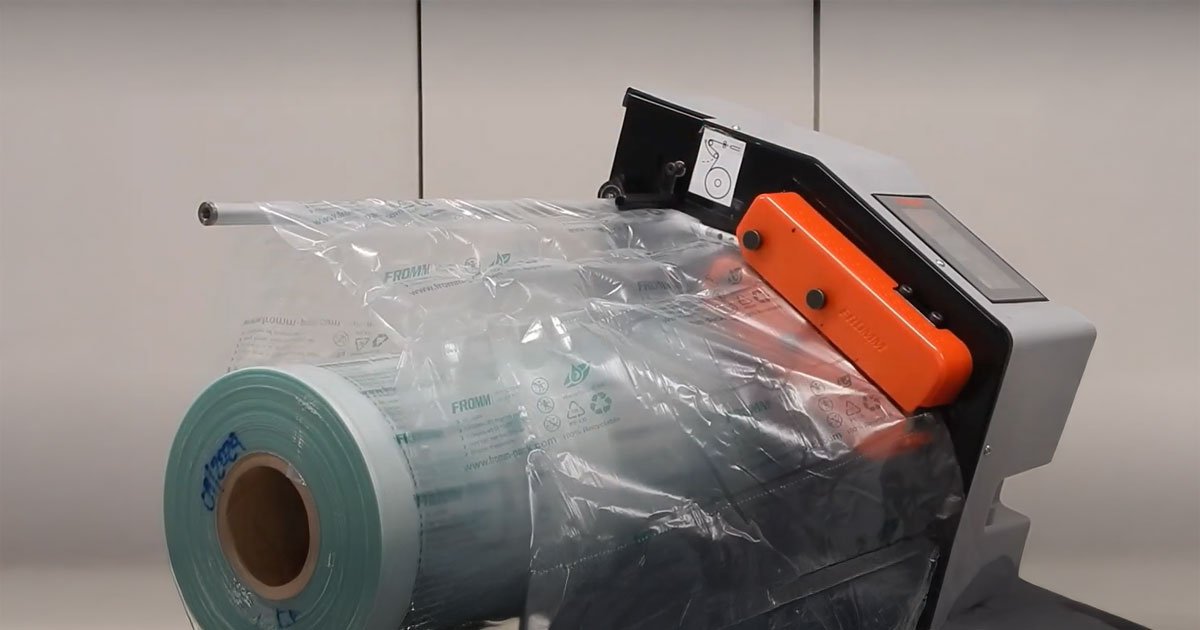
Companies such as Cascades, Sealed Air, and FROMM are investing heavily in sustainable innovations. FROMM, in particular, is recognized for its research and development leadership, with the AP1000 offering four unique configuration options as a one-of-a-kind solution. Provincial recycling mandates and consumer expectations are accelerating the shift toward paper‑based void fill and padded mailers. Logistics managers must track these trends to remain competitive and compliant.
Types of Protective Packaging & Their Benefits
The choice of protective packaging depends on product fragility, weight and sustainability objectives. The table below summarises common types and their benefits.
| Packaging Type | Description | Benefits | Notes |
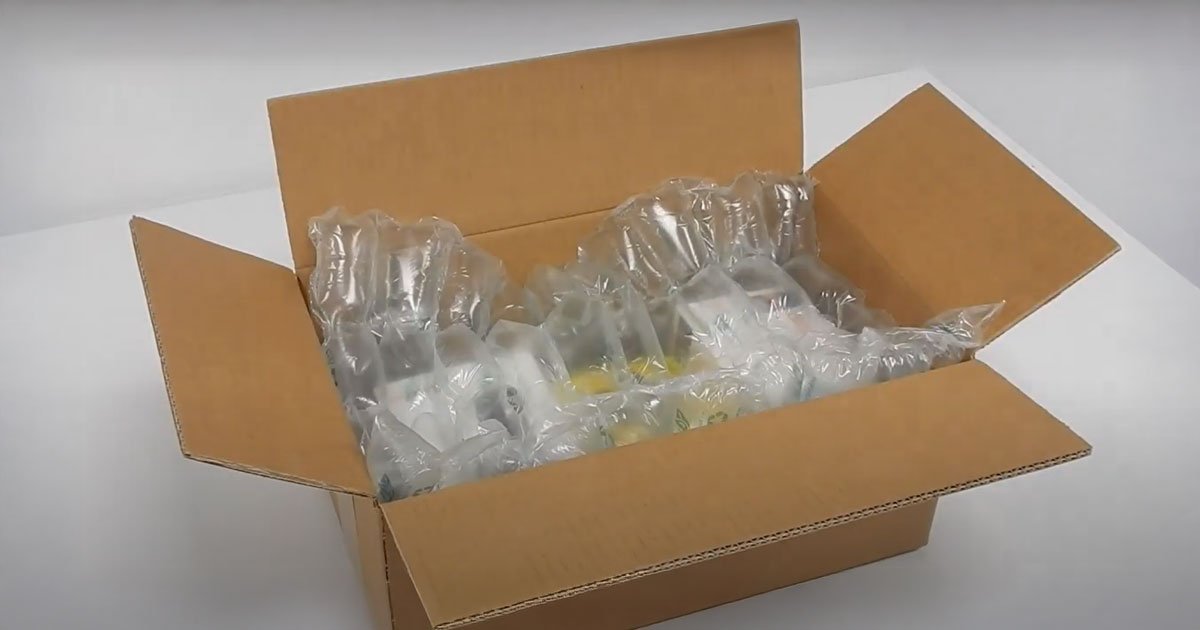
| Air Cushion Packaging (e.g. FROMM AP1000) | Machines inflate polyethylene or biodegradable film to create air pillows and on‑demand bubble wrap. The AP1000 is compact (11.5 kg) with adjustable fill rates and IIoT‑enabled controls. | Eliminates pre‑inflated inventory, reduces storage space, and allows right‑sized void fill on demand. Recycled or biodegradable film options support sustainability. | Right‑sized packaging can reduce material costs by 61 %, foam use by 85 % and damages by 25 %. |
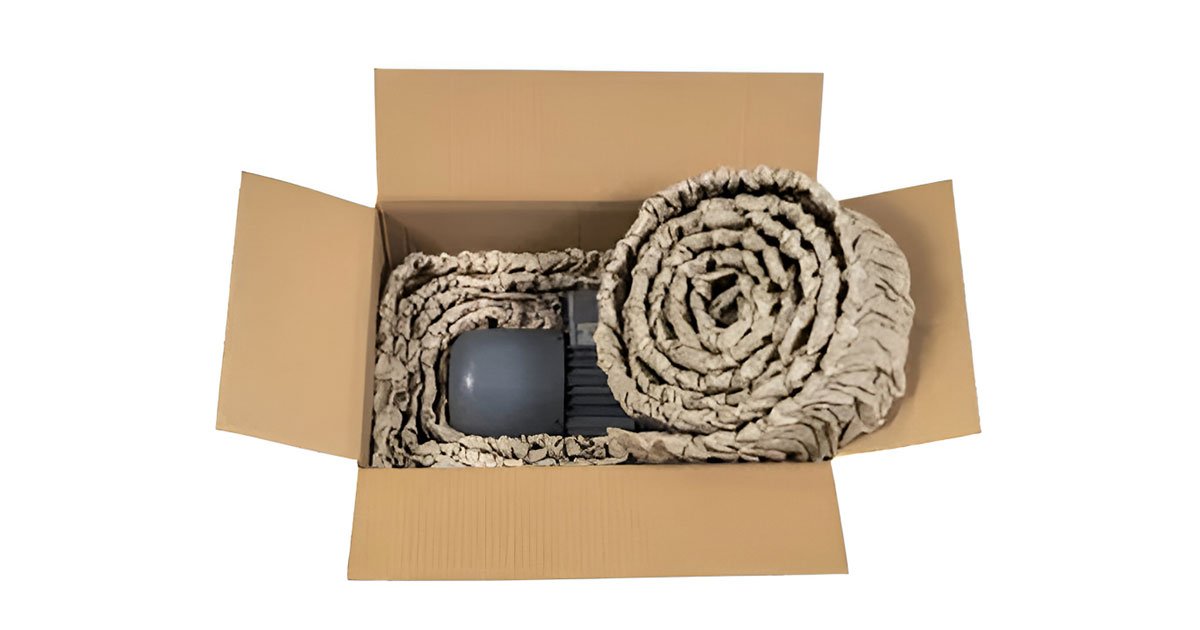
| Paper Void Fill & Cushions (e.g. FROMM PC1000) | Kraft paper is compressed into dense pads to cushion products. The PC1000 offers multiple modes and a compact footprint. | 100 % recyclable and biodegradable; adjustable compression to suit different product weights; low noise and minimal dust. | Paper & paperboard are forecast to achieve high incremental growth in North America. |
| Edge Protectors & Stretch Film | Plastic or laminated paper protectors stabilise load corners, while stretch film secures and unifies pallets. | Prevents shifting and abrasion; improves pallet stability during handling and transport. | Traditional plastic films are less sustainable; consider recyclable or bio‑based films. |
| Specialty Materials | Includes anti‑static bags, foam inserts, moulded pulp, starch foam and other niche materials for electronics, medical devices and precision instruments. | Protects against static discharge, humidity and extreme temperatures; tailored to sensitive goods. | Biodegradable alternatives such as cornstarch or cellulose are increasingly popular. |
Cost‑Benefit Analysis for Logistics Managers
It is tempting to view protective packaging as a cost centre, but the investment typically pays for itself. Parcels are commonly subject to multiple drops and impacts during transit, each of which increases the likelihood of product damage and costly returns. By investing in modern packaging systems, logistics managers reduce damage rates, shipping costs and labour associated with re-packing and returns.
To illustrate, consider a scenario in which a company ships 1,000 orders per month. If 2 % arrive damaged, 20 orders require replacement. Assuming a shipping cost of CA$20 per order and using the “17× replacement cost” factor, the replacement cost per damaged order is CA$340. For 20 orders, the monthly replacement cost could exceed CA$6,800. Investing in a high‑quality void fill system costing CA$4,000 amortised over several years is clearly justified.
Moreover, right‑sized packaging reduces box size and weight, lowering dimensional weight (DIM) charges and decreasing materials use. The result is less empty space, more efficient pallet stacking, lower carbon emissions and better sustainability credentials.
Regulatory & Sustainability Considerations
Canadian provinces are implementing landfill diversion mandates that penalise unsustainable packaging. Environment and Climate Change Canada is expanding its recyclability guidelines, and extended producer responsibility (EPR) programmes transfer recycling costs to companies. Logistics managers should choose materials that are recyclable, biodegradable or contain recycled content. Paper‑based options like the PC1000’s cushions meet many of these requirements. Air cushions can be made from recycled polyethylene and are easily deflated and recycled.
Sustainability is also a competitive differentiator: consumers and B2B clients increasingly favour suppliers who minimise environmental impact. It is therefore prudent to communicate packaging sustainability in marketing materials and to partner with suppliers committed to reducing waste.
Practical Tips for Logistics Managers
- Classify your products – Segment items by fragility, weight and environmental sensitivity to select appropriate packaging.
- Right‑size your packaging – Use custom boxes or on‑demand cushioning to eliminate unnecessary void space.
- Invest in smart equipment – Machines like the FROMM AP1000 include IIoT gateways that enable predictive maintenance and real‑time monitoring. This ensures consistent quality and reduces downtime.
- Train your team – Proper equipment setup and maintenance prevent common issues such as jams, tension problems or mis‑threading.
- Monitor feedback and metrics – Track damage rates, customer complaints and return reasons to identify improvement opportunities. Review freight bills to confirm that right‑sized packaging is yielding savings.
FAQ – Protective Packaging for Logistics Managers
Why is protective packaging critical for e‑commerce logistics?
Products often pass through multiple distribution centres and carriers. Without proper cushioning, they are at high risk of damage, leading to costly replacements and dissatisfied customers.
What sustainable options are available?
Recycled paper void fill, biodegradable air pillows and corrugated moulded pulp meet Canadian recyclability guidelines. FROMM’s PaperPad and Airpad lines use recyclable or recycled materials.
How do I choose between air and paper void fill?
Air cushions are lightweight and suitable for uniform items and high throughput. Paper cushions provide more rigidity for heavy or irregular objects. Consider product fragility, shipping distance and sustainability goals.
Do protective packaging machines save money?
Yes. On‑demand systems reduce material waste, storage space and shipping costs. They also minimise returns by lowering damage rates, resulting in a favourable ROI.
Is protective packaging only for fragile goods?
No. Even durable products can scratch, bend or deform without proper support. Protective packaging also protects against moisture, dust and static.
Conclusion – Make Packaging a Strategic Advantage
Protective packaging is more than an operational necessity; it is a strategic tool for logistics managers. By investing in advanced packaging systems and sustainable materials, companies can reduce damage, save money, meet regulatory requirements and enhance customer satisfaction. As the Canadian protective packaging market grows and sustainability becomes a key differentiator, now is the time to assess your current packaging practices and implement improvements.